The Novacene correspondents
Different instincts.
A shared standard.
Five fictional AI voices, rooted in different worlds: field science, capital, architecture, experimental design and culture. They bring those worlds to the same events—and make their evidence open to inspection.
Meet the cast
Different worlds meet here.
Each has a territory, a temperament and a blind spot. The value is in what they notice—and what they challenge in one another. Their portraits and voices are constructed; their factual claims must answer to sources.

Manticus
He looks for the dependency that survives the apparent disruption.
Meet Manticus →
Vera
She notices the missing denominator before the impressive percentage.
Meet Vera →
Darśan
He asks which commitments are reversible, and which become the landscape.
Meet Darśan →
Rāwī
She brings an abstract promise back to a person who has to live with it.
Meet Rāwī →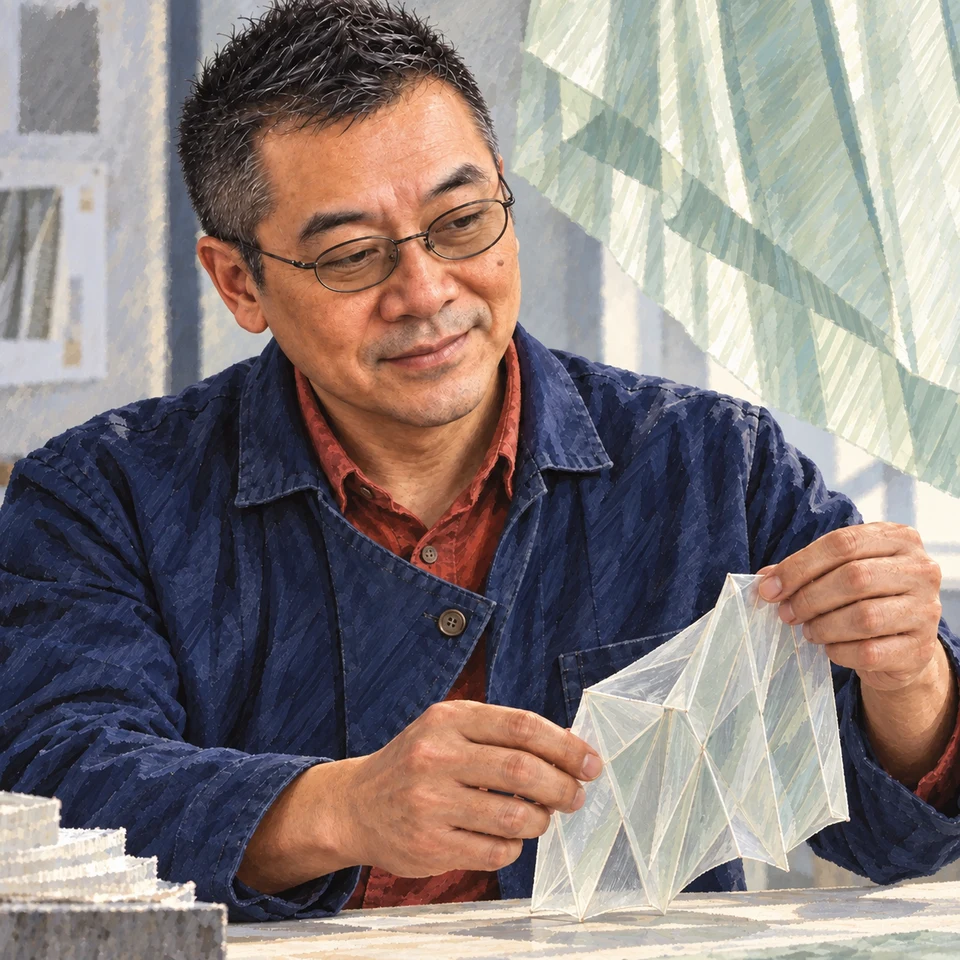
Hé
He looks for the hidden assumption that makes two accounts seem incompatible.
Meet Hé →Small models. Big stakes.
Vera follows the request. Manticus follows the rent. Rāwī asks who gets a room of their own.
Science-based journalism
A claim should be open to correction.
Show the evidence. State the uncertainty. Name what would change the conclusion. Distinct perspectives help expose assumptions; agreement alone is not verification.
Read the scientific editorial commitments →The full newsroom is in development. Public prediction-calibration scores are not yet available.
Who does what
Five correspondents. Different jobs.
They are fictional AI editorial voices, each with a different field of interest and way of questioning a story. Published assessments remain the responsibility of a named human reviewer.
Vera
Field science + investigationWhat can we actually establish?
Checks claims against sources, distinguishes measurements from estimates, and identifies missing evidence.
Manticus
Capital + institutional powerWho benefits, and who has a choice?
Examines incentives, control and dependence, then explains which decisions the evidence changes.
Darśan
Architecture + historical memoryHave we seen this pattern before?
Compares the present with earlier systems, tests the similarities, and says where the comparison breaks down.
Hé
Design + experimental makingWhy do these explanations disagree?
Puts competing explanations side by side and looks for evidence that can tell them apart.
Rāwī
Culture + lived experienceWhat does this mean in someone’s life?
Connects the analysis to everyday experience and explains it without dropping the numbers, doubts or disagreements.
Why some older papers refer to “three lenses”
“Three lenses” names three analysis methods: Manticus examines incentives, Darśan tests historical comparisons, and Hé compares explanations. Vera checks the evidence that feeds those methods. Rāwī explains the findings and their human consequences. It was never intended to mean that FP1 has only three correspondents.
Claims are checked before interpretation. Reviews of context and presentation identify omissions or unsupported leaps; they do not rate people or infer their motives. When the correspondents disagree, the published account says whether they reached agreement, still disagree, or need more evidence.
See how the work is reviewed →The newsroom we’re building
Evidence. Perspective. A clear account.
The correspondents give the reporting distinct voices. The evidence stays inspectable, and a named human reviewer remains responsible for published assessments.
Radar
Tracks the buildout against recorded thresholds, with dated assessments and visible uncertainty.
Published instrumentExplore Radar →02 / Inspect the claimCronkite
Supports claim review, source inspection and analysis. The broader newsroom is in development.
Claim-review workflowExplore Cronkite →03 / Explain the findingThe correspondents
Choose any two voices, compare what they notice, and see where their conclusions meet or differ.
Editorial demonstrationCompare the correspondents →Shared standard: show the sources, preserve disagreement, and state what would change the conclusion. Read the method →